
Is Grammarly Worth It in 2026? The Honest Answer for Email Professionals
Grammarly has been around long enough that most writers have formed an opinion — but in 2026, the tool has changed significantly, and so has the competitive landscape. AI writing assistants now flood every inbox, browser, and productivity suite. So the real question isn't just "is Grammarly good?" It's whether Grammarly earns its price tag when stacked against free alternatives and purpose-built AI email tools.
This guide cuts through the noise with data from real users, verified pricing, and a clear framework for deciding whether Grammarly belongs in your workflow — or whether something else serves you better.
Strategic Overview: Where Grammarly Stands in 2026
Grammarly holds a 4.6 out of 5 rating on Gartner Peer Insights, with reviewers consistently praising it for consistency enforcement, tone calibration, and cross-platform integration. That's a meaningful signal — Gartner reviewers skew enterprise, meaning Grammarly is earning trust not just from solo bloggers but from organizations paying for corporate licenses.
The market context matters here. Since 2024, AI writing tools have proliferated aggressively. Tools like Jasper and Copy Ai compete on content generation, while inbox-focused tools like Superhuman prioritize speed and triage. Grammarly's lane — real-time grammar, style, and tone enforcement across every platform you write on — remains largely uncontested at this price point.
But Grammarly isn't for everyone, and the free vs. paid distinction matters more than most reviews admit. Here's the unfiltered picture.
Grammarly Pricing: What You Actually Pay
Grammarly's pricing structure is straightforward once you account for the annual vs. monthly billing split. The advertised monthly price drops significantly when billed annually — something the company doesn't always make obvious upfront.
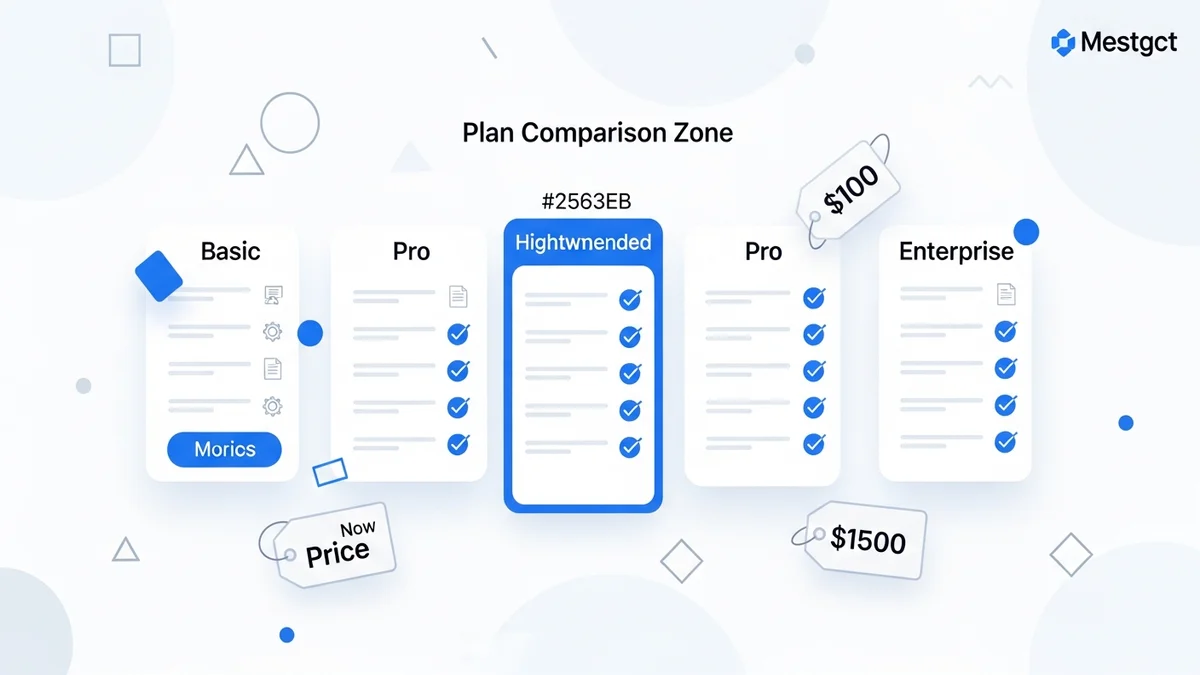
| Plan | Monthly (billed monthly) | Monthly (billed annually) | Best For |
|---|---|---|---|
| Free | $0 | $0 | Occasional writers, students, basic spell-check needs |
| Pro (individual) | $30/month | $12/month ($144/year) | Freelancers, marketers, email-heavy professionals |
| Pro (with 25% discount) | — | $9.60/month ($115.20/year) | Same as above, with current promotional pricing |
| Business (per seat) | $25/member/month | $15/member/month | Teams needing shared style guides and admin controls |
| Enterprise | Typically $500+/month (custom contract, SSO, compliance features) | Large organizations with security and compliance requirements |
At $9.60–$12/month, Grammarly Pro is one of the cheaper professional writing tools available. For context, a single client email that avoids a miscommunication or lands a deal easily justifies the annual cost.
Key Features: What Grammarly Actually Does Well
Real-Time Grammar and Style Correction
This is Grammarly's core strength and where it consistently outperforms free alternatives. The tool catches not just typos and comma splices but contextual errors — cases where a word is technically spelled correctly but used wrong. For email writers, this matters enormously. A misplaced "their/there" in a cold outreach email signals carelessness. Grammarly catches these before you hit send.
Tone Detection
One Gartner reviewer — a Technical Trainer at a software company in the $1B–$3B revenue range — specifically called out tone detection as a standout feature: "The tone check helps me make sure I'm giving the desired impression based on my document: Friendly, Professional, whatever I'm going for." For anyone managing brand voice across a team, this is genuinely useful, not just a marketing feature.
Cross-Platform Integration
Grammarly works inside Gmail, Outlook, Google Docs, Microsoft Word, and via a browser extension that covers virtually every web-based text input field. This is the feature that separates it from copy-paste editing tools — Grammarly follows you across platforms rather than requiring you to change your workflow.
Newsletter
Get the latest SaaS reviews in your inbox
By subscribing, you agree to receive email updates. Unsubscribe any time. Privacy policy.
AI Writing Assistance
The free plan includes 100 AI writing prompts per month. Grammarly Pro bumps this to 2,000 prompts. These aren't as capable as dedicated content generators like Jasper, but for quick rephrasing, email drafts, or rewriting a paragraph to be more concise, they get the job done.
Formality and Style Adjustment
Pro subscribers can adjust formality levels (formal, neutral, informal) and select writing style contexts — academic, business, casual, creative. This is useful for writers who switch between communication types: a B2B sales email requires different calibration than a newsletter or a blog comment.
Grammarly's Limitations: What It Won't Do
Being honest about Grammarly's weaknesses is as important as listing its strengths. Several limitations are hard cutoffs, not minor inconveniences.
- English only. Grammarly does not support multilingual writing. One Operations Manager reviewing it on Gartner explicitly noted this as a pain point: multilingual writing support comes at an increased cost on the corporate license. If your team writes in Spanish, French, Portuguese, or any other language, Grammarly is not a viable primary tool.
- No offline mode. Grammarly requires an internet connection. For writers working in transit or with unreliable connectivity, this is a real workflow gap.
- Document size cap. The web editor accepts documents up to 4 MB and 100,000 characters. For most emails and articles this is irrelevant — but for long-form book manuscripts, it's a constraint.
- Plagiarism and AI detection are unreliable. Multiple reviewers, including the DemandSage editorial team, flag this explicitly. Do not pay for Grammarly Pro primarily for its plagiarism checker — it's not accurate enough to rely on for academic or publishing use cases.
- It cannot replace a human editor. Grammarly won't catch structural issues, logical inconsistencies, or audience-specific tone problems the way a skilled editor will. Its value is as a first-pass filter, not a final review.
Who Should Pay for Grammarly Pro — and Who Shouldn't
Pay for Pro if you are:
- A sales or outreach professional writing 20+ emails per day — tone calibration and style suggestions pay for themselves in response rate improvements alone.
- A content marketer or copywriter whose output is reviewed by clients. Grammarly catches the small errors that erode credibility before submissions land in editorial queues.
- A non-native English speaker writing professionally in English. At $9.60–$12/month, it's the most cost-effective fluency support available.
- A team manager who needs consistent brand voice across multiple writers — Grammarly Business enforces shared style guides at scale.
Stick with the free plan if you are:
- A casual writer who sends fewer than five important emails per week.
- Someone whose primary writing platform already has strong built-in correction (some enterprise email platforms now bundle comparable AI suggestions).
- A writer who primarily works in languages other than English.
Dave Chesson at Kindlepreneur puts it plainly: "95% of people should just use the free version of Grammarly. It's better than you think." That's a fair benchmark — the free version is meaningfully better than native browser spellcheck and doesn't require any commitment.
Grammarly vs. Email-Specific AI Tools
Grammarly is a general-purpose writing assistant. For email-specific workflows, several purpose-built tools serve distinct use cases that Grammarly doesn't cover.
If you're running cold email sequences at scale, Instantly or Smartlead offer deliverability infrastructure, campaign automation, and sequence analytics that Grammarly has no answer to. Grammarly polishes the email copy; these tools get it delivered and tracked.
For inbox management and triage — getting to zero faster and keeping important emails from getting buried — Superhuman and Sanebox operate at a fundamentally different layer than Grammarly. They don't help you write; they help you manage what's written to you.
If AI-generated email copy is the priority rather than error correction, Jasper or Copy Ai produce more sophisticated long-form drafts. The tradeoff: they don't integrate into your browser and email client the way Grammarly does for inline correction.
The honest answer is that Grammarly and these tools are complementary, not competitive. Grammarly handles the quality layer; the others handle distribution, generation, or inbox management.
Common Mistakes Writers Make With Grammarly
Accepting every suggestion without reading it
Grammarly's suggestions are contextual but not infallible. Accepting a rewrite blindly — especially for tone or style — can strip the personality out of an email. A suggestion to replace "we're pumped about this" with "we are enthusiastic about this" might be grammatically tidier but kills the brand voice. Always read before accepting.
Using Grammarly as the final review step
Grammarly is a first pass, not a proofreader. Emails that go through Grammarly and then straight to send still benefit from a human read. Grammarly won't catch a factual error, a wrong recipient name, or a pricing figure that's gone stale.
Paying monthly instead of annually
The monthly billing rate ($30/month) is 2.5x the annual rate ($12/month). If you're going to use Grammarly for more than two months, the annual plan pays for itself in month three. There's no good reason to pay month-to-month unless you genuinely need only one month of access.
Relying on the plagiarism checker for serious verification
As noted in the DemandSage review, Grammarly's plagiarism checker is not accurate. Using it to clear academic work or verify content originality before publication is a mistake. Dedicated plagiarism tools exist for this purpose; Grammarly's version is a rough signal at best.
Ignoring the company voice features on the Business plan
Teams that pay for Grammarly Business often underuse the custom style guide and terminology enforcement features. These are the highest-ROI features for organizations — they eliminate the back-and-forth of editorial review for brand consistency issues. Set them up on day one.
Final Verdict: Is Grammarly Worth It?
Yes — with the right expectations. Grammarly is not an AI content generator, not a human editor replacement, and not a plagiarism verification tool. What it is: the most reliable, most widely integrated, and most affordable real-time writing quality layer available in 2026.
At $9.60/month (annual, with current discount), Grammarly Pro is priced below most SaaS tools that deliver a fraction of its daily utility. For anyone writing professional English — emails, proposals, content, client communications — the ROI from catching one credibility-damaging error per month exceeds the subscription cost.
The free version is genuinely good. Start there. Upgrade to Pro when you find yourself wanting style suggestions, tone calibration, or formality controls — not before.
For teams, Grammarly Business at $15/member/month delivers consistency enforcement at scale that would otherwise require editorial oversight hours. At that price, it's one of the cheapest ways to raise the floor on organizational writing quality.
The one hard no: if your team writes primarily in a language other than English, Grammarly is the wrong tool for your core use case. Look elsewhere.