Why Most Cold Emails Fail in 2026
From a strategic perspective, the cold email inbox has never been more competitive. Prospects receive dozens of outreach messages daily, and generic, templated emails are deleted before they're read. The key differentiator here is relevance — the emails that get replies in 2026 are the ones that feel personally written, demonstrate research, and offer something genuinely valuable.
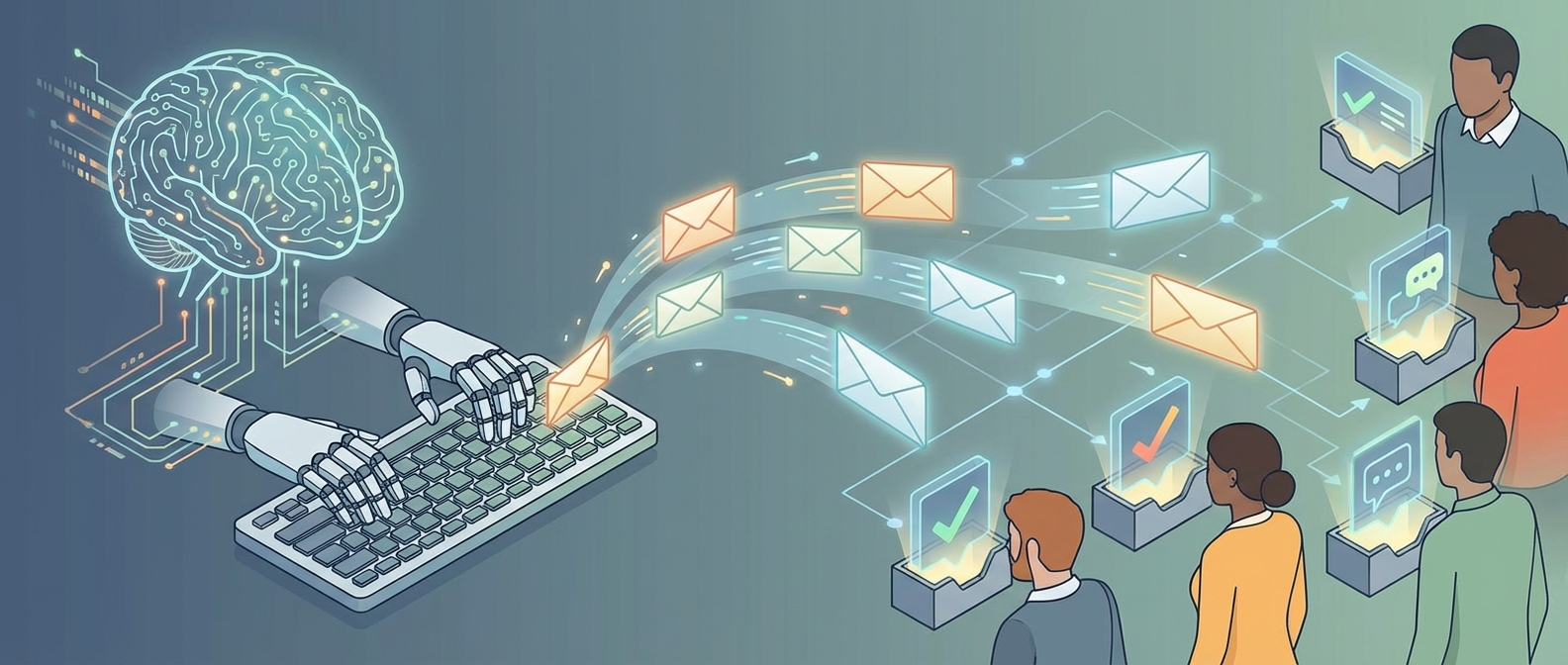
AI has transformed cold email in two ways: it enables hyper-personalization at scale, and it helps you write better subject lines, openers, and CTAs by analyzing what actually works in your target market.
Step 1: Build a High-Quality Prospect List
AI tools can write brilliant emails — but they can't save you from sending to the wrong people. Before writing a single email, define:
- ICP criteria: Company size, industry, tech stack, growth signals
- Trigger events: New funding, new hire (especially in your buyer's role), product launches, or earnings reports that signal budget or need
- Contact quality: Verify emails before sending — aim for bounce rates below 3%
The best AI cold email outreach tools include built-in prospecting and enrichment, reducing the need for separate tools.
Step 2: Craft a Subject Line That Gets Opened
Your subject line determines whether your email gets read at all. AI can help you test and optimize these, but the underlying principles are human psychology:
- Specificity beats cleverness: "How [Company] can reduce churn by 15%" beats "A quick question"
- Reference something real: Mentioning their recent blog post, funding news, or product launch immediately signals research
- Keep it under 7 words: Shorter subject lines have higher open rates on mobile
- Avoid spam triggers: Words like "FREE", "URGENT", "guaranteed" reduce deliverability
Newsletter
Get the latest SaaS reviews in your inbox
By subscribing, you agree to receive email updates. Unsubscribe any time. Privacy policy.
Step 3: Write the Perfect Cold Email Structure
The anatomy of a high-converting cold email in 2026 follows a proven structure:
- The hook (1–2 sentences): A specific, researched observation about them — not a generic compliment. Reference something you noticed about their business, a result they've shared, or a problem relevant to their role.
- The bridge (1 sentence): Connect their situation to the outcome you help with.
- The value statement (1–2 sentences): What you do, for whom, and what specific result you deliver. Be concrete.
- The social proof (1 sentence): One relevant data point or client result. "We helped [similar company] reduce lead response time from 4 hours to 8 minutes."
- The CTA (1 sentence): A single, low-friction ask. "Worth a 15-minute call this week?"
Total length: 80–120 words. The key differentiator here is brevity — every additional sentence is a chance for your prospect to stop reading.
Step 4: Use AI for Personalization at Scale
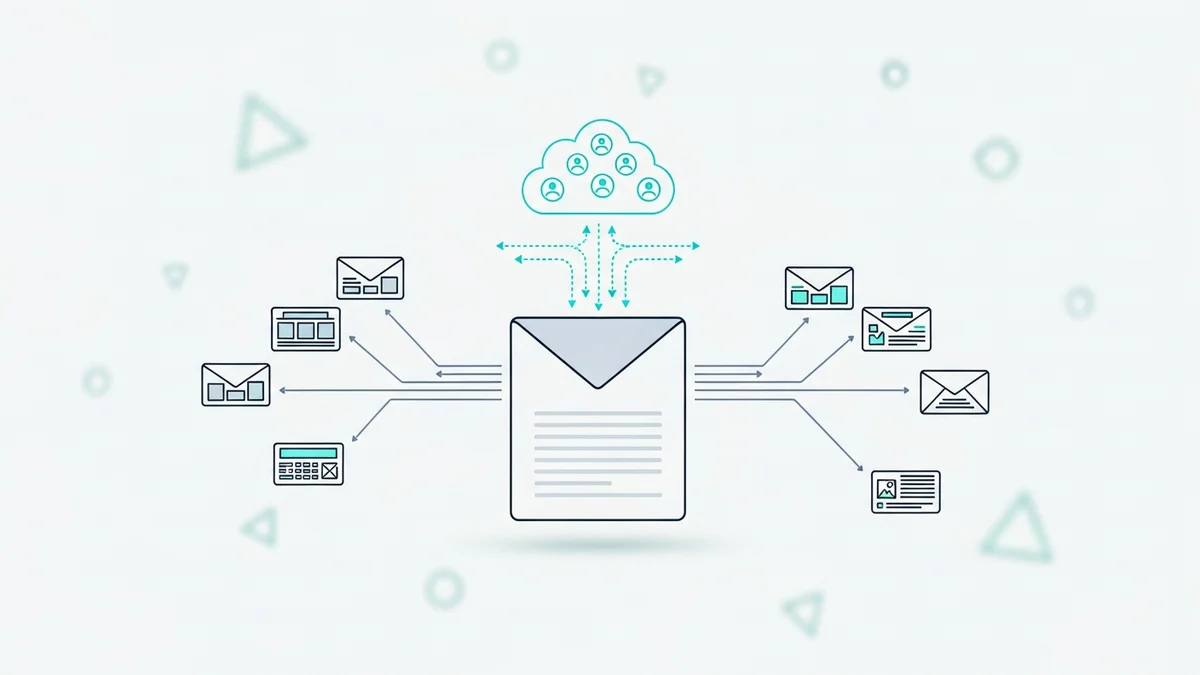
The real power of AI email writing tools is enabling 1:1 personalization at the scale of a mass campaign. Here's how to leverage this effectively:
- Variable-based personalization: Use data points from your prospect list (company name, recent news, job title, tech stack) to dynamically populate your email template
- AI-generated first lines: Tools can research each prospect and generate a unique, relevant opening line automatically
- Industry-specific variants: Create separate template variants for different verticals, then let AI personalize within each variant
Step 5: Optimize Deliverability
From a strategic perspective, deliverability is the foundation that everything else rests on. An email that lands in spam never gets read. Best practices:
- Warm up new sending domains for 4–8 weeks before scaling
- Maintain sending volume below 100 emails/day per mailbox initially
- Set up SPF, DKIM, and DMARC records correctly
- Monitor spam complaint rates (keep below 0.1%)
- Use a clean list with verification — aim for >95% list validity
Step 6: Build a Follow-Up Sequence
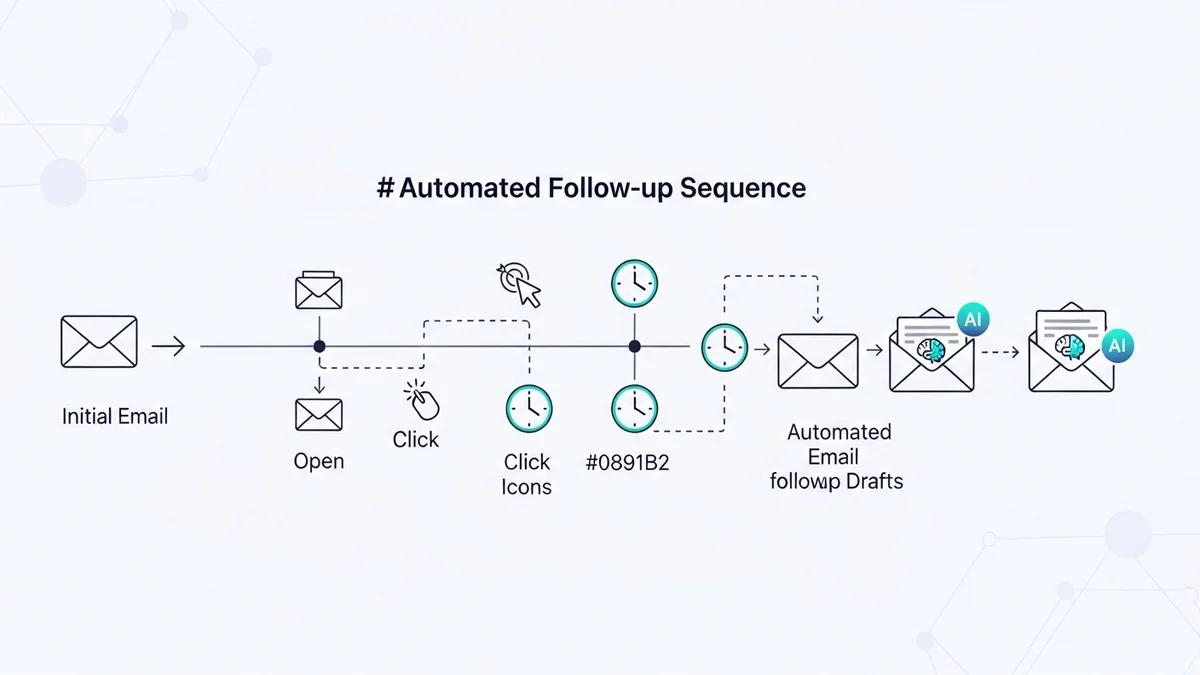
Most replies come from follow-ups, not the initial email. A 3–5 email sequence typically doubles reply rates compared to a single send. Structure your follow-up sequence:
- Day 3: Add a different angle — share a relevant case study or stat
- Day 7: Ask a single yes/no question related to their pain
- Day 14: Offer a specific resource (a template, a report) without asking for anything
- Day 21: The "breakup email" — acknowledge this might not be the right time and leave the door open
The Bottom Line
AI-powered cold email in 2026 is about amplifying human judgment, not replacing it. The key differentiator here is using AI to do what it's genuinely good at — personalizing at scale, testing subject lines, and optimizing sequences — while keeping the strategy and empathy human. Start with a small, well-researched prospect list, nail your structure and deliverability, and let the system compound.